
Museo de las Ciencias Príncipe Felipe: Tickets and Info
This website offers official tickets for this venue. Please note, however, that it is not the official website of the venue.

Smartphone tickets

Priority Access Available

Instant confirmation
Smartphone tickets
Why wait?
Instant confirmation
Valencia Science Museum: skip the line entrance fee
Highlights
Avoid waiting in lines for quicker admission.
Explore futuristic science concepts and interactive displays.
Discover dinosaur fossils and space-themed installations.
Enjoy an educational experience suitable for all ages.
Located within the renowned City of Arts and Sciences complex.
Good to Know before Visiting Museo de las Ciencias Príncipe Felipe
Tickets are specific to the date selected, so it is advisable to confirm your travel plans before finalizing your purchase.
You must keep your physical or digital ticket with you at all times, as it is required to pass through turnstiles when moving between different floors.
The museum follows a strict “no food or drink” policy inside the exhibition galleries to protect the interactive equipment and displays.
If you plan to visit the Science Theater or participate in specific workshops, check the daily schedule upon arrival as these sessions have limited capacity.
The building is exceptionally large, so wearing comfortable walking shoes is highly recommended for navigating the three floors of exhibits.
Lockers are available for a small fee near the entrance for storing backpacks, umbrellas, and large items that are not permitted in the galleries.
While the museum is suitable for all ages, most interactive exhibits are designed for children aged seven and older to ensure they can understand the concepts.
Photography for personal use is permitted throughout the museum, but the use of flash, tripods, or professional equipment is generally restricted.
Combined tickets are available if you intend to visit the neighboring Oceanogràfic or Hemisfèric, offering a significant discount compared to buying individual entries.
The museum is fully cashless at many service points, so ensure you have a credit or debit card for onsite purchases at the shop or cafeteria.
Essential Visitor Info
- Timings
- Address & Directions
- Facilities
- Accessibility
The museum is open every day, though operating hours fluctuate based on tourist season.
The museum opens every day at 10 AM.
Low season (from 02 Jan to 30 June and from 17 Sep to 30 Dec): Typically closes at 7 PM.
High season (from 1 Jul to 16 Sep): Typically closes at 9 PM.
The Museo de las Ciencias Príncipe Felipe is located within the City of Arts and Sciences complex, situated in the former riverbed of the Turia River. Its central location makes it easily accessible from the historic center, the port, and the main transit hubs of Valencia.
Address: Avenida del Professor López Piñero, 7 46013 València, Spain
By Metro and Tram
The Valencia Metro and Tram network provides the most direct public transport links to the museum.
Line 10 (Tram): This is the most convenient route. Alight at the Ciutat Arts i Ciències – Justícia station, which is located just a few minutes’ walk from the museum entrance.
Lines 3, 5, 7, and 9 (Metro): Alight at the Alameda station. From here, you can enjoy a scenic 15-to-20 minute walk through the Turia Gardens directly to the complex.
By Public Bus
Several EMT (Empresa Municipal de Transports) bus lines serve the museum area. These lines connect the museum to the city center and other key districts:
Lines 35, 95, and 99: These are the primary routes with stops located immediately adjacent to the museum.
Lines 13, 15, 24, and 25: These also stop within the City of Arts and Sciences complex.
From the City Center: Bus 35 is recommended for those traveling from the Plaza del Ayuntamiento or the North Station (Estació del Nord).
By Car and Parking
Visitors traveling by car can follow the signs for “Ciudad de las Artes y de las Ciencias” from any major entry point into the city.
On-Site Parking: The complex offers a large underground parking facility located beneath the Umbracle (the landscaped walkway adjacent to the museum).
By Bicycle or on Foot
Valencia is a highly bike-friendly city with dedicated paths leading to the museum.
Cycling: You can reach the museum via the dedicated cycle lanes in the Turia Gardens. Multiple Valenbisi (the city’s public bike-share program) stations are located across the street from the complex for easy drop-off.
Walking: If you are staying in the city center, a walk through the Turia Gardens (Jardín del Turia) takes approximately 30 to 45 minutes and leads directly to the museum’s glass facade.
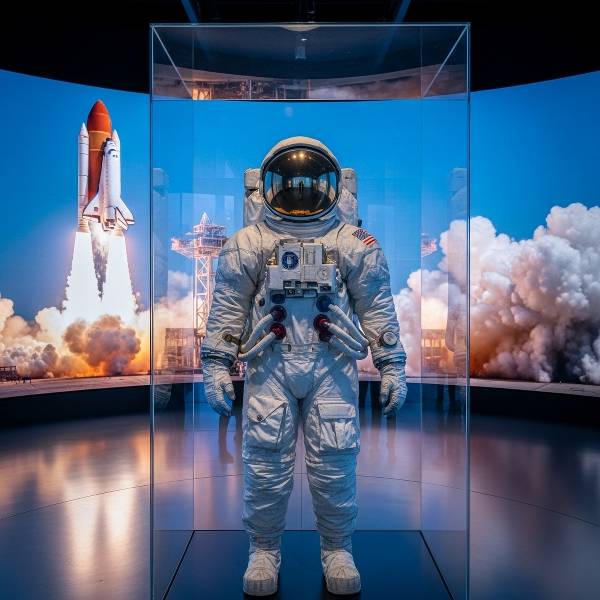
The Museo de las Ciencias Príncipe Felipe provides a range of essential services to ensure a comfortable visit.
On the ground floor, visitors will find a dedicated information desk, a cloakroom for storing coats and small items, and automated ticket kiosks.
The building is equipped with modern restrooms on every floor, and the entire facility is climate-controlled to provide a respite from the Valencia heat.
For those traveling with young children, baby changing stations are available in the public restrooms.
The museum also offers seating areas throughout the galleries for rest between interactive exhibits.
Free Wi-Fi is accessible in most public areas of the building, allowing visitors to access digital maps or additional information about the displays.
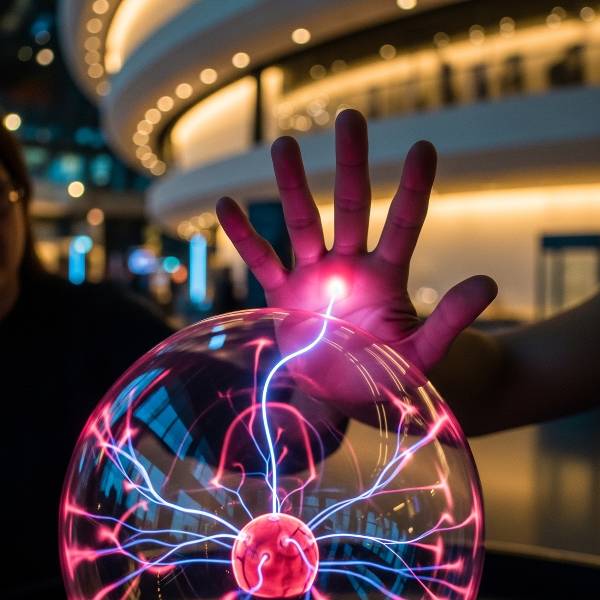
The museum is committed to providing a barrier-free experience and is fully accessible to visitors with reduced mobility.
The architectural design includes ramps and wide corridors that allow for easy navigation via wheelchair.
All three floors of the exhibition space are connected by large-capacity elevators, and the main entrances are equipped with automatic doors. Accessible restrooms are located on every level, clearly marked and designed to meet international standards.
For visitors with visual or hearing impairments, the museum has implemented several specific measures. Guide dogs and assistance dogs are permitted throughout the building provided they carry the necessary documentation.
Many of the interactive exhibits are designed with tactile elements, and audiovisual content often includes subtitles. Furthermore, the museum offers a limited number of wheelchairs for loan at the information desk on a first-come, first-served basis; a valid ID is usually required as a deposit.
Strategic signage throughout the complex uses high-contrast text and universal pictograms to assist with orientation. The “forbidden not to touch” philosophy of the museum naturally lends itself to a sensory-rich experience that benefits visitors with diverse needs.
Dedicated parking spaces for individuals with impaired mobility are located in the Umbracle parking lot, which features direct elevator access to the ground-level plaza.
About Museo de las Ciencias Príncipe Felipe
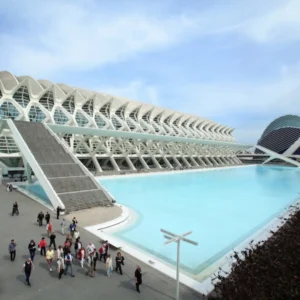
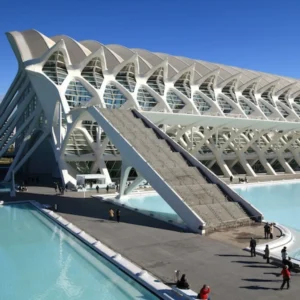
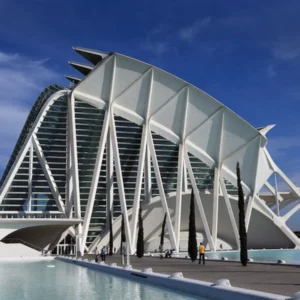
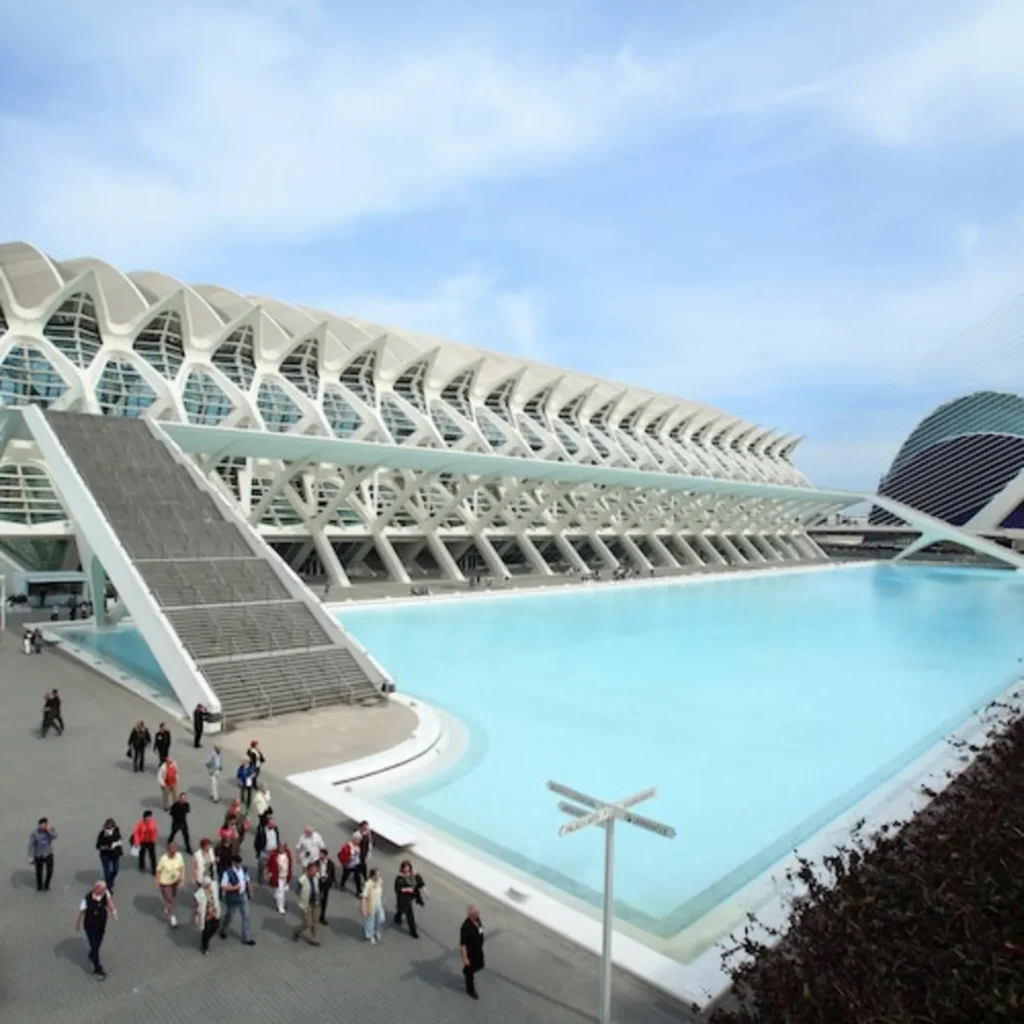
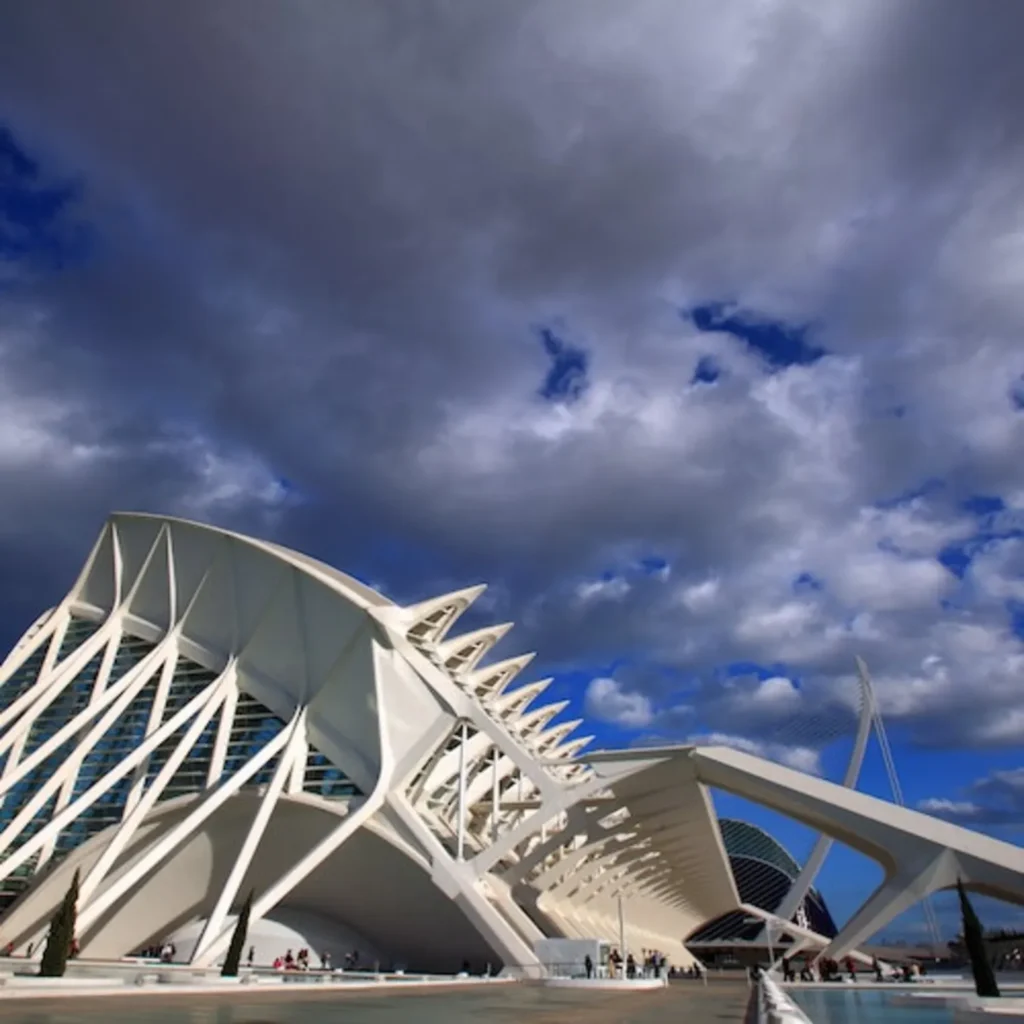
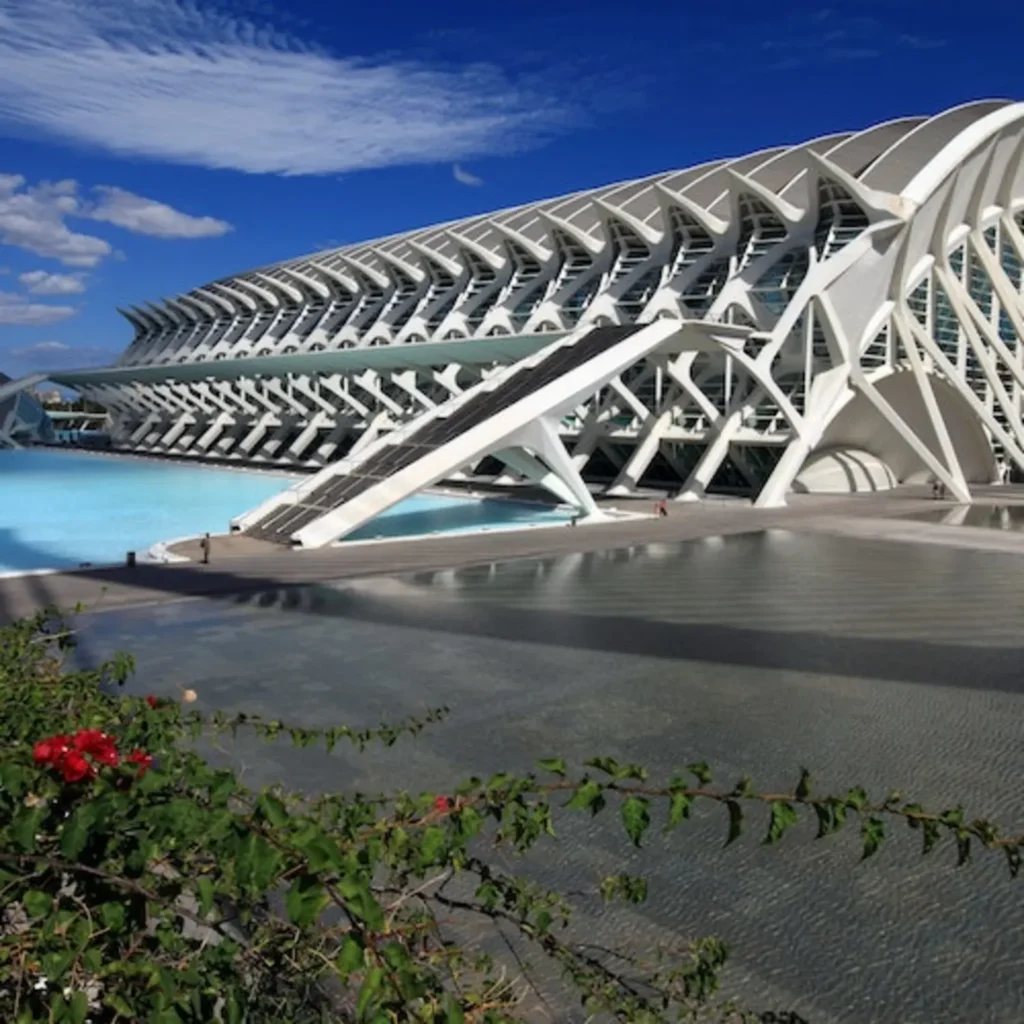
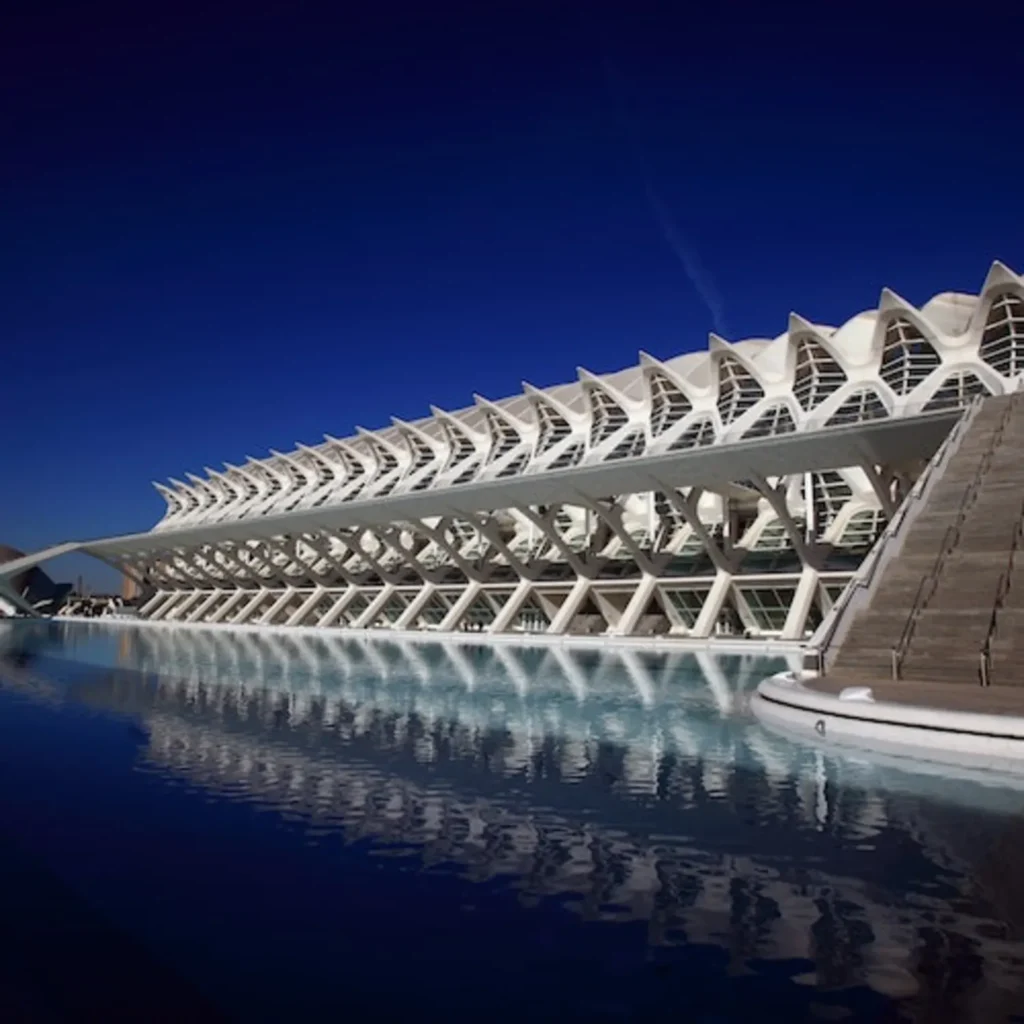
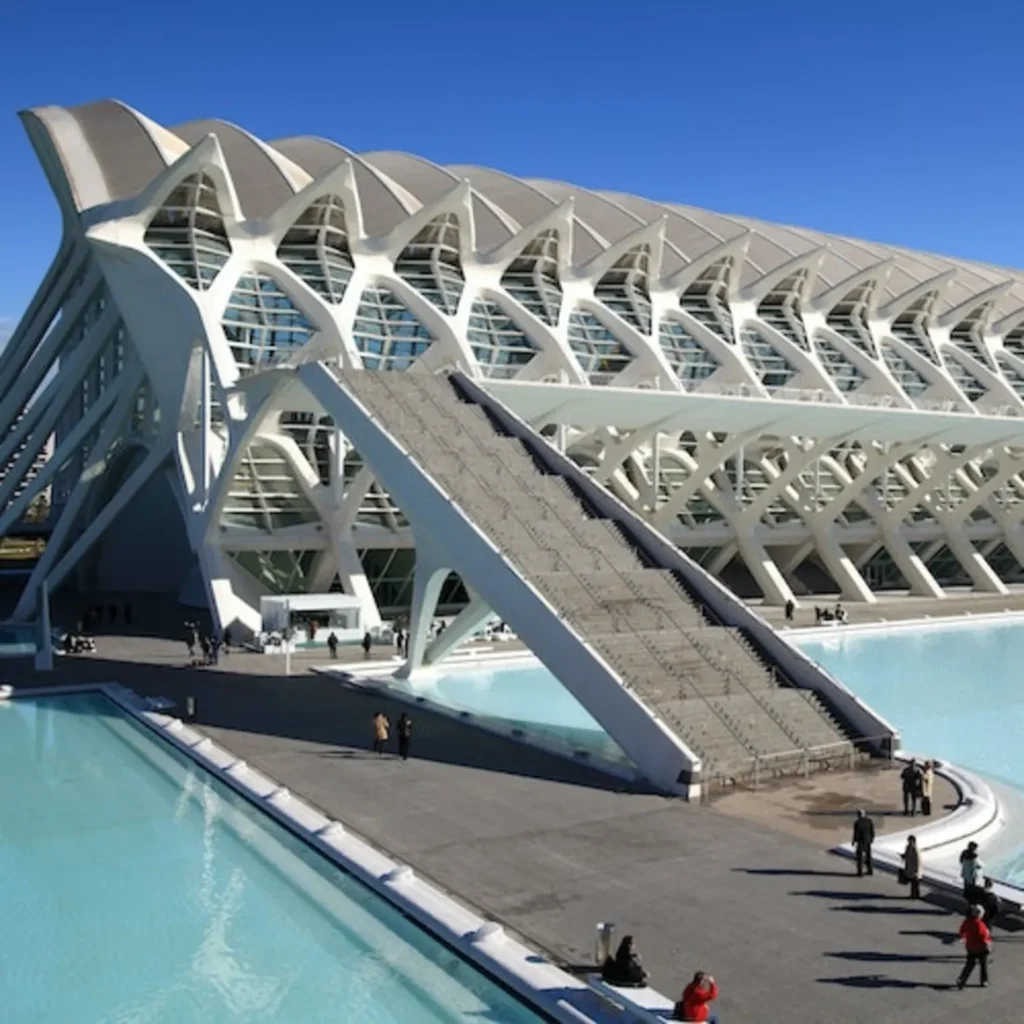
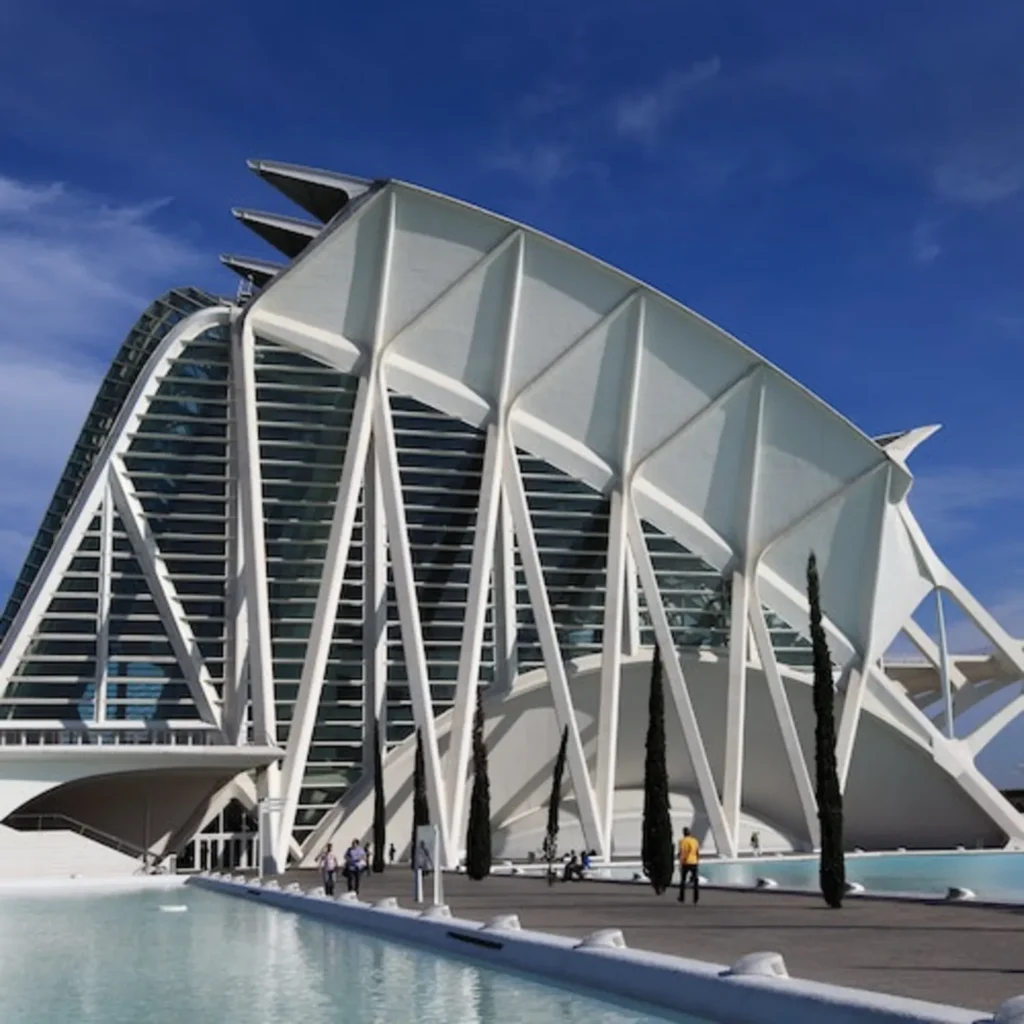
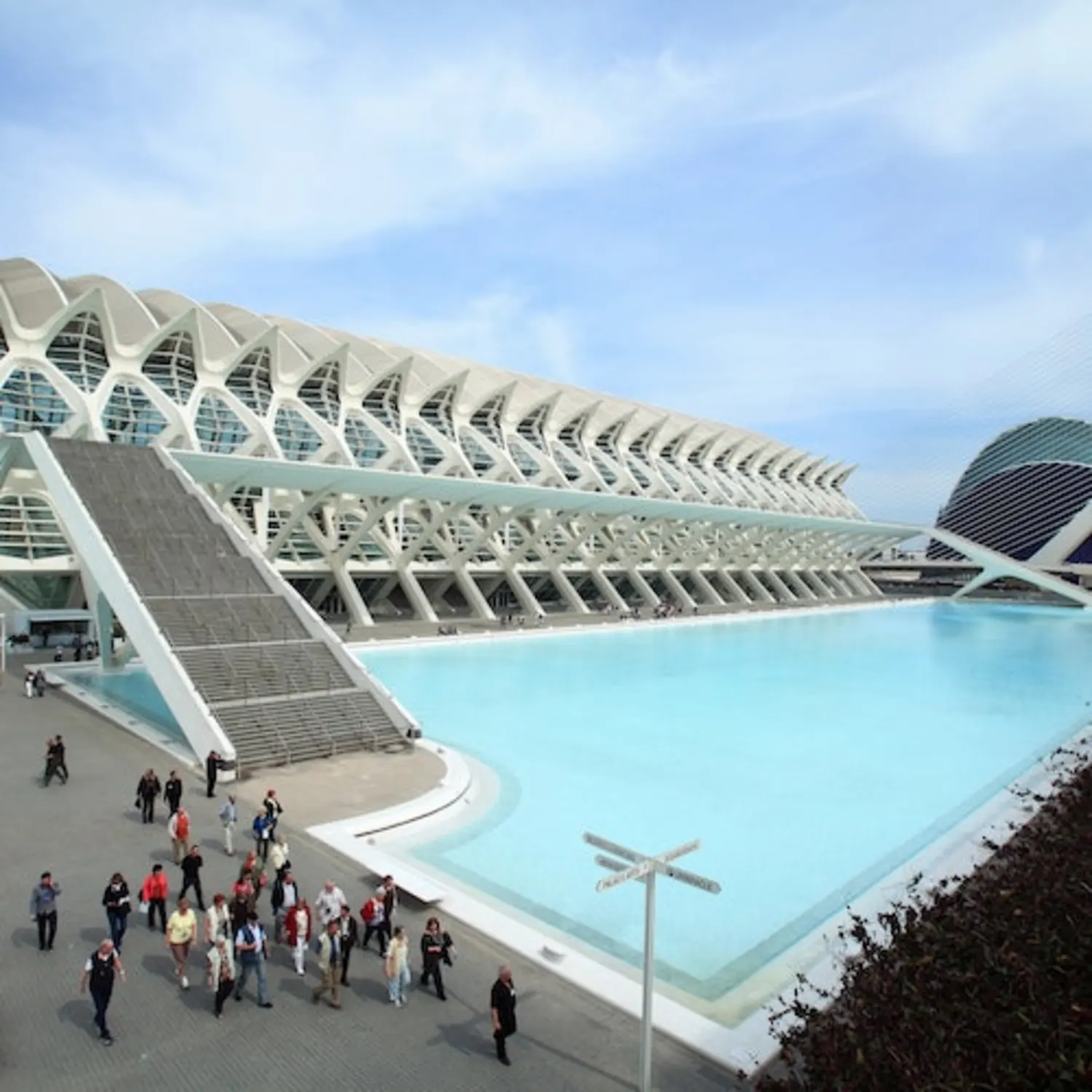
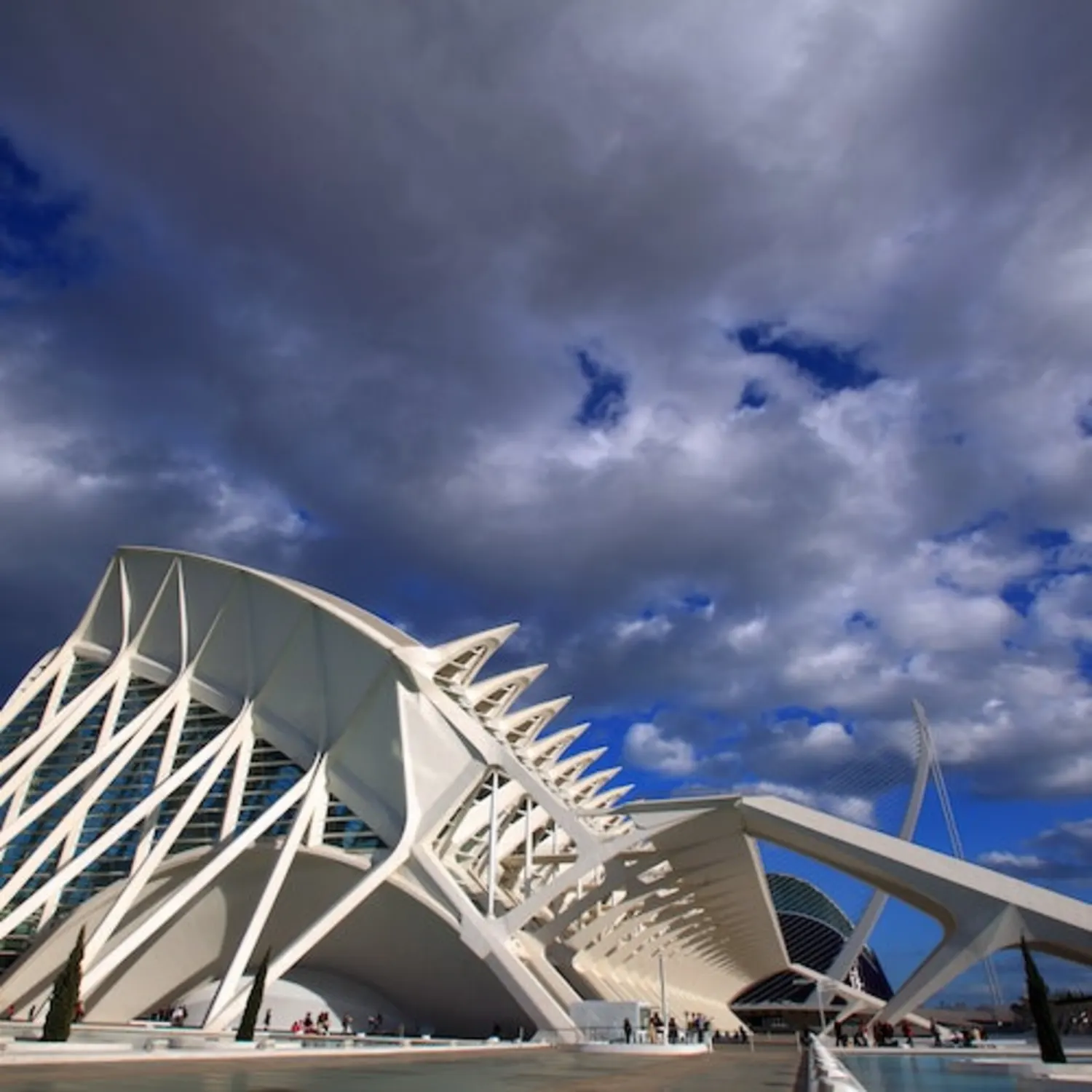
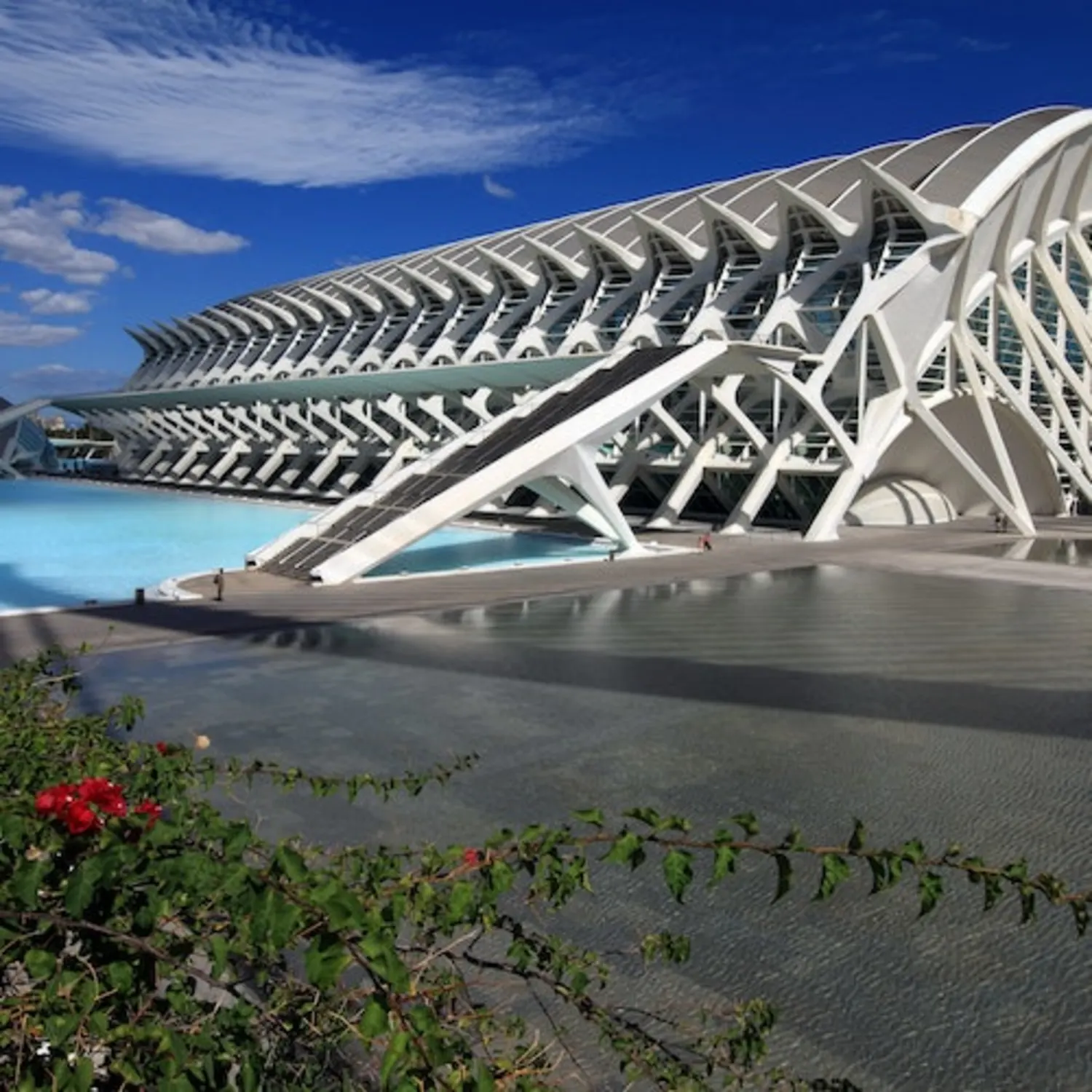
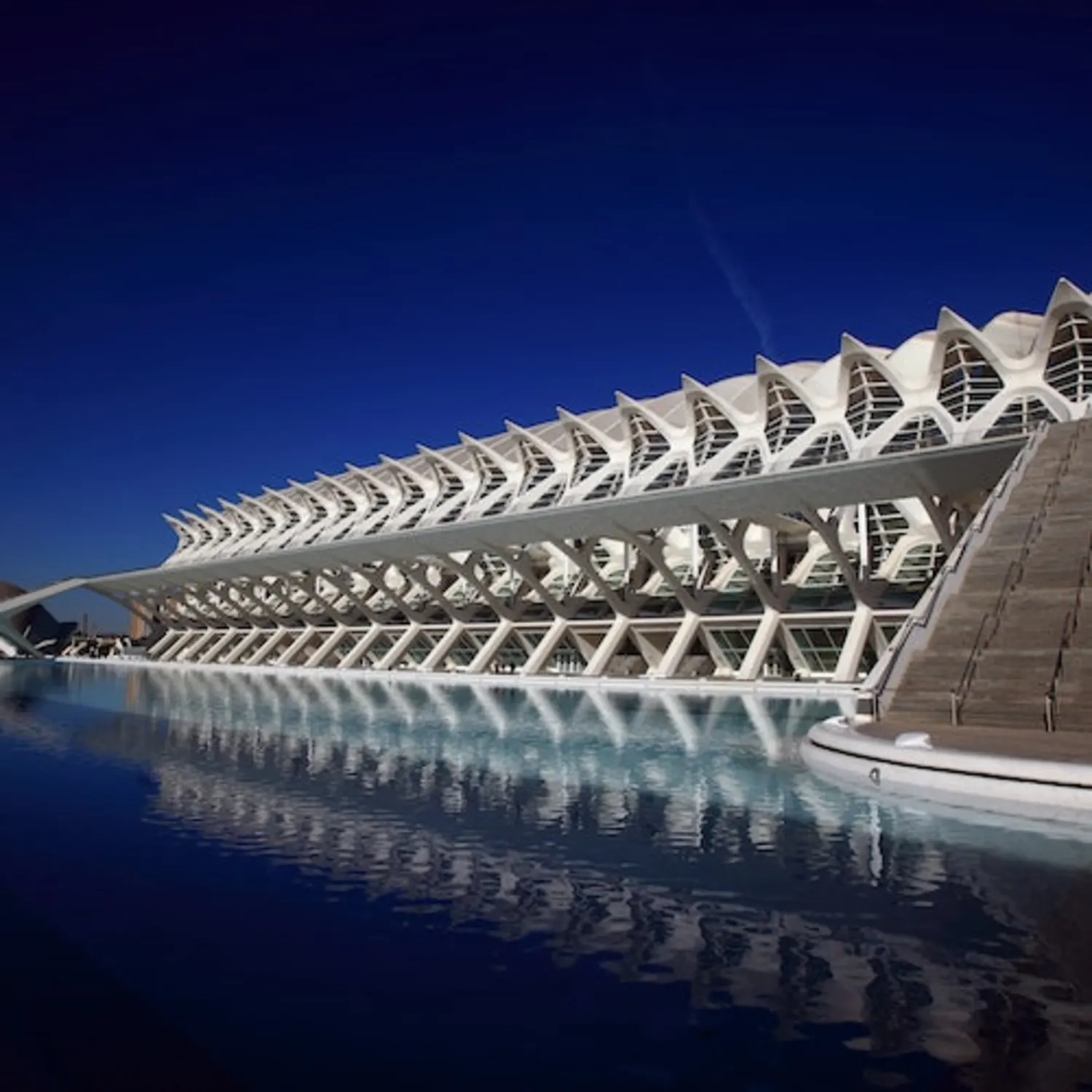
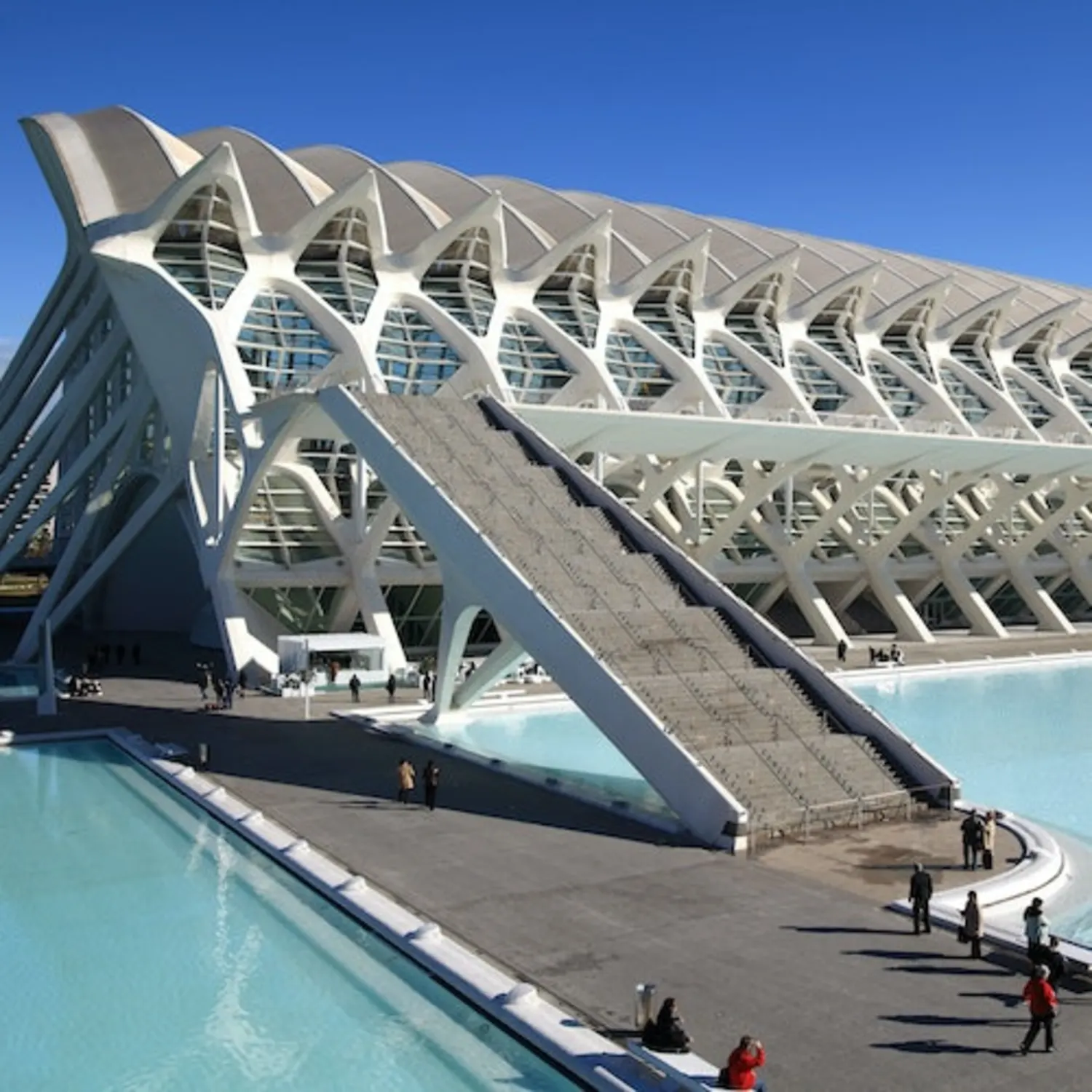
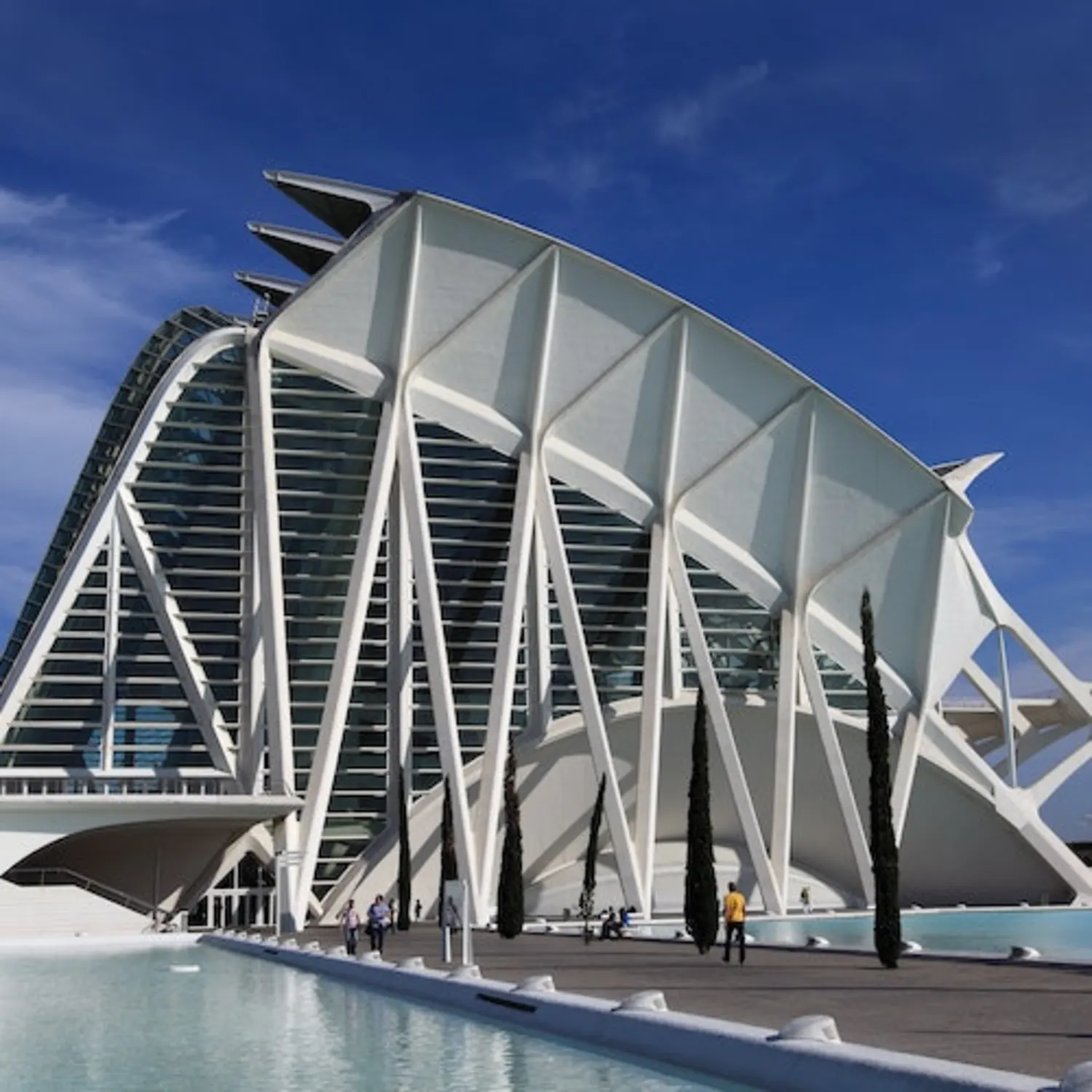
The Museo de las Ciencias Príncipe Felipe stands as a premier science museum in Valencia, Spain, dedicated to fostering a deeper understanding of science and technology. Situated within the iconic City of Arts and Sciences complex, this museum draws visitors with its innovative interactive exhibits and striking architectural design, inspired by the skeleton of a whale.
Since its establishment in 2000, the museum has been committed to engaging audiences of all ages through hands-on experiences that make learning about scientific principles both accessible and enjoyable.
Architect: Santiago Calatrava
Inauguration Date: November 13, 2000
Exhibition Space: 26,000 square meters
Why Visit the Museo de las Ciencias Príncipe Felipe?
Interactive Scientific Discovery
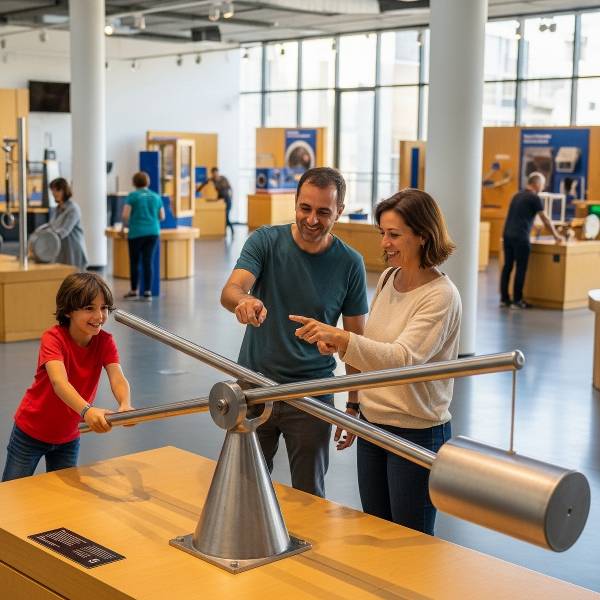
The museum operates under the motto “forbidden not to touch,” encouraging visitors to learn through direct interaction with physical experiments. Unlike traditional museums, this space prioritizes hands-on engagement with various scientific principles, making complex topics accessible to people of all ages.
Iconic Contemporary Architecture
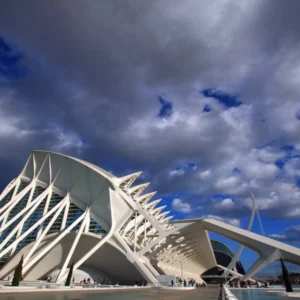
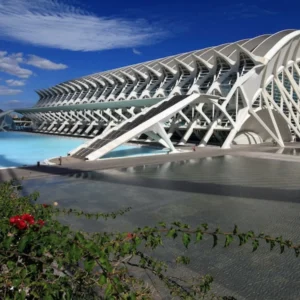
Designed by Santiago Calatrava, the building itself is a centerpiece of the City of Arts and Sciences. Its structural design resembles the skeleton of a whale, offering a vast interior space that integrates natural light and innovative geometry, making it a landmark for modern architecture enthusiasts.
The Legacy of Nobel Laureates
The “Santiago Ramón y Cajal” exhibition provides an in-depth look at the life and work of the Spanish Nobel Prize winner in Medicine. This section explores the foundations of modern neuroscience through original drawings, instruments, and personal artifacts that detail the evolution of brain research.
Exploration of Space and the Universe
The museum features extensive exhibits dedicated to space exploration and the laws of physics that govern the cosmos. Visitors can explore a representation of the International Space Station and participate in simulations that explain the challenges of life beyond Earth.
Biodiversity and DNA Research
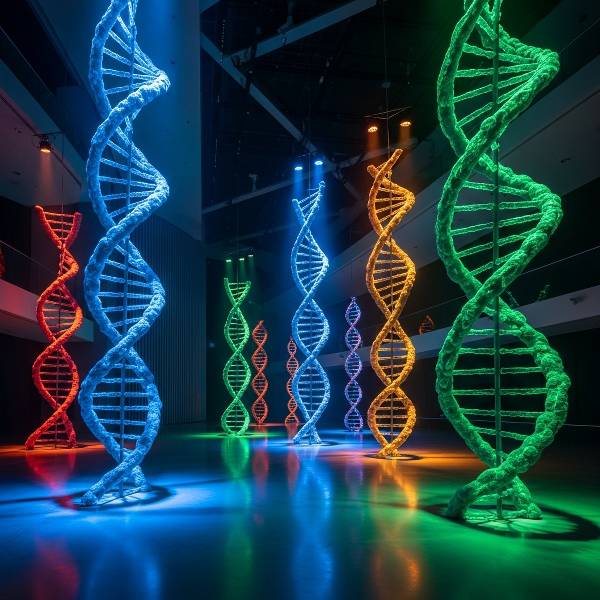
Dedicated areas focus on the building blocks of life and the importance of ecological preservation. Through large-scale models and interactive displays, visitors can visualize the structure of DNA and learn about the diverse ecosystems that the museum works to document and protect.
Additional Info
- Dining
- Souvenir Store
The museum offers on-site dining options designed to accommodate different schedules and appetites.
The main cafeteria serves a variety of Mediterranean-inspired dishes, including sandwiches, salads, and hot meals, with indoor and outdoor seating available. For those seeking a quick refreshment, there are vending machines and smaller snack points located within the building that provide coffee, cold drinks, and light snacks.
The dining areas are positioned to offer views of the surrounding Turia Gardens and the complex’s reflecting pools. While the museum’s internal options are convenient for a midday break, the surrounding City of Arts and Sciences area also features various restaurants within walking distance.
Visitors are reminded that food and drinks are not permitted inside the exhibition galleries to protect the interactive displays.
Located on the ground floor, the museum’s official store offers a wide selection of educational products, books, and memorabilia.
The inventory focuses heavily on scientific curiosity, featuring DIY experiment kits, astronomical maps, and biological models that mirror the themes found in the galleries. It is an ideal stop for those looking to purchase gifts that encourage scientific learning for children and students.
In addition to educational toys, the shop stocks exclusive merchandise related to the architecture of Santiago Calatrava and the City of Arts and Sciences. Visitors can find high-quality stationery, apparel, and decorative items.
The store is accessible without a museum ticket, allowing passersby to browse the collection of science-themed literature and local Valencian souvenirs.
Interesting Facts about Museo de las Ciencias Príncipe Felipe
The building’s structural design is inspired by the skeleton of a whale and occupies a footprint of over 40,000 square meters.
Architect Santiago Calatrava designed the museum without a single right angle on its exterior to reflect the fluid forms found in nature.
The museum operates under the strict philosophy that it is “forbidden not to touch, not to feel, and not to think” regarding its exhibits.
The massive glass facade consists of over 4,000 panes of glass, allowing natural light to illuminate the vast interior halls throughout the day.
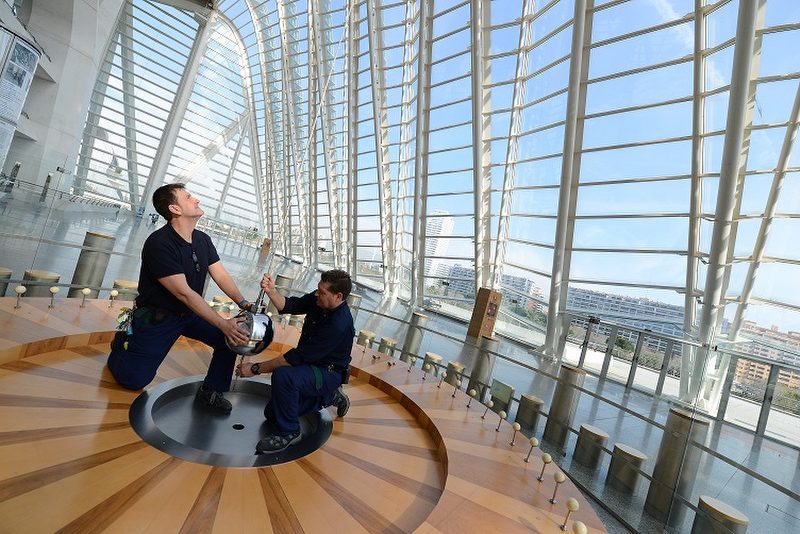
On the first floor, the Foucault Pendulum is one of the longest in the world, measuring 34 meters in length to demonstrate the Earth’s rotation.
The Chromosome Forest features 46 large-scale sculptures representing the human genome, standing at a height that mirrors the scale of the building.
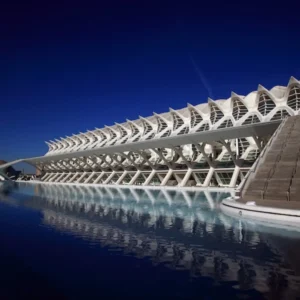
The museum’s white concrete and shimmering pools are designed to reflect the Mediterranean sun, a hallmark of the City of Arts and Sciences aesthetic.
There are over 26,000 square meters of exhibition space, making it one of the largest science museums in Europe.
The “Space Academy” section provides visitors with a simulated experience of a trip to the International Space Station using realistic modules.
The building’s roof is supported by five massive concrete arches that distribute the weight without the need for traditional internal columns.
It serves as an important venue for the “Santiago Ramón y Cajal” exhibition, which honors Spain’s pioneer of modern neuroscience and Nobel laureate.
The museum sits within the former riverbed of the Turia River, which was diverted in the 1960s to prevent city flooding.
The “Zero Gravity” exhibit was developed in collaboration with the European Space Agency to explain how satellites observe our planet.
The structure is surrounded by 13,500 square meters of water mirrors that act as a cooling system for the surrounding plaza.
Each year, the venue hosts the “Science Stage,” a series of live demonstrations where viewers can witness chemical reactions and physical phenomena in real time.
 English
  Español
  Italiano
  Français
  Português
  Deutsch
  Nederlands